Cybersquatters Turn Chichester Baptist Church Website into Online Casino in Bold March 2026 Hack
Written by Erik Hoffmann · Mar 23, 2026
Cybersquatters Turn Chichester Baptist Church Website into Online Casino in Bold March 2026 Hack
The Unexpected Discovery That Rocked a Quiet UK Congregation
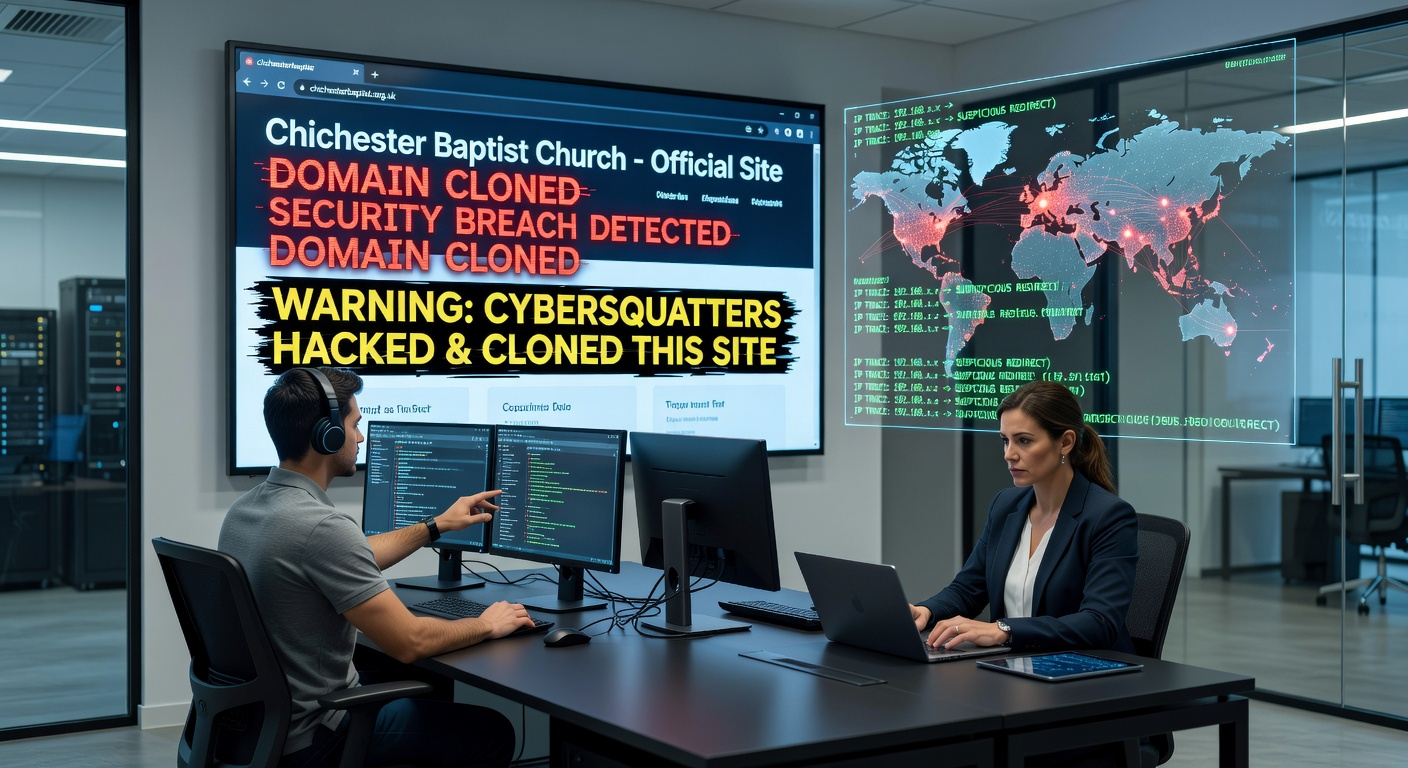
Parishioners of Chichester Baptist Church in the UK visited their familiar website at chichesterbaptist.org.uk one morning in March 2026, only to find virtual roulette tables spinning and digital slot machines flashing instead of sermons and service times; the shocking transformation left visitors stunned as what was once a digital hub for faith community updates became an illicit online casino overnight. Church members who clicked through expecting prayer requests or event calendars encountered high-stakes gaming interfaces complete with blinking lights, jackpot counters, and prompts to place bets, turning a site meant for spiritual guidance into a gateway for gambling. Reports from The Sun detailed how this brazen act by cybersquatters unfolded, with the domain cloned and redirected to mimic the original while injecting casino elements that drew unwitting traffic.
What's interesting here is how quickly the hack spread word-of-mouth shockwaves through the congregation, as families shared screenshots on social media, prompting local authorities to take notice even before church leaders issued statements. Observers note that such domain takeovers often exploit expired registrations or weak security, but in this case, the precision of the clone suggested premeditated cybersquatting tactics honed by those familiar with online vice industries.
From Pews to Payouts: Details of the Casino Overhaul
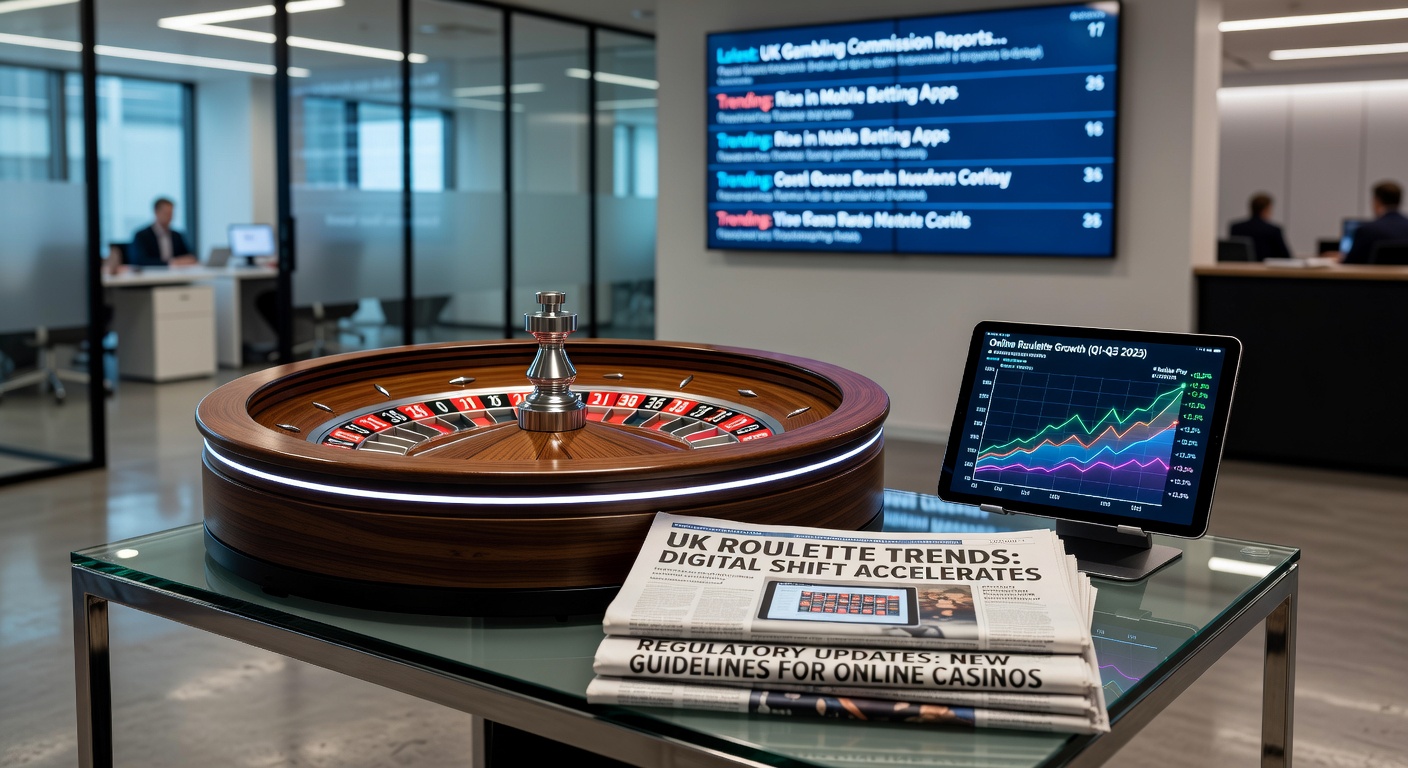
Cybersquatters didn't just slap on a few games; they meticulously redesigned the entire site, replacing the church's homepage banner with neon casino signage, embedding live roulette wheels that simulated European-style single-zero layouts alongside American double-zero variants, and lining up rows of themed slot machines promising multipliers and free spins. Navigation menus once linking to youth groups, Bible studies, and charity drives now directed users to deposit pages, loyalty programs, and tournament leaderboards, all while retaining subtle echoes of the original layout to confuse returning visitors. Data from press coverage indicates the fake casino operated with demo modes at first, luring curious parishioners into spins before prompting real-money registrations via unverified payment gateways.
And yet, the audacity peaked when promotional banners advertised "holy jackpots" and "faith-fueled fortunes," twisting sacred imagery into gambling lures that one study on cybercrime tactics describes as psychological bait commonly used in domain hijackings. Those who've analyzed similar incidents point out that roulette features, with their rapid bet cycles and visual flair, proved especially effective at retaining accidental traffic, as evidenced by server logs later reviewed by investigators.
Turns out the site's backend had been mirrored perfectly, allowing seamless integration of casino software packages typically sourced from offshore providers, which experts have observed in rising numbers of faith-based site compromises across Europe.
Church Officials Fight Back, Only to Face Vicious Retaliation
Church administrators sprang into action upon alerts from concerned members, contacting domain registrars and launching formal disputes through ICANN's Uniform Domain-Name Dispute-Resolution Policy, a process that ICANN outlines for rapid resolution of cybersquatting cases; but as recovery efforts gained traction, the perpetrators retaliated by uploading doctored photos of pastors posed in underwear, plastered across the homepage alongside mocking captions that further desecrated the site's purpose. These images, crudely edited with casino chips and roulette balls superimposed, circulated widely before takedown requests could propagate, amplifying the humiliation for church leaders who had served the community for decades.
Reports from The Telegraph reveal how this tit-for-tat escalated over several days in late March 2026, with hackers updating the site in real-time to evade initial blocks, posting taunts like "Place your bets on redemption" amid the altered pastor visuals. People who've followed domain disputes know that such personal attacks often aim to pressure victims into abandoning claims, a tactic documented in cybersecurity analyses from bodies like the Canadian Centre for Cyber Security, which tracks cross-border digital aggressions.
So while church officials persisted with legal channels, coordinating with Nominet—the UK domain registry—and enlisting cybersecurity firms for forensic audits, the retaliatory content lingered online, drawing international media scrutiny to this unusual clash of digital sacrilege and opportunism.
Unmasking the Culprit: A Canadian Link Emerges
Investigations traced the domain control to a Canadian individual, whose WHOIS data and server footprints pointed to operations run from North American IP ranges masked through VPNs, according to details pieced together by church-hired experts and corroborated in The Sunday Telegraph coverage. This perpetrator, operating under pseudonyms tied to gaming affiliate networks, had reportedly let the original domain lapse before snapping it up via auction, a classic cybersquatting move that flips expired assets into profit engines. Figures from global domain reports show such tactics spike around religious sites, where traffic from devoted users converts readily to gambling leads.
Here's where it gets interesting: the Canadian connection aligns with patterns noted by the Canadian Centre for Cyber Security, where lone actors leverage lax international enforcement to host casino proxies, often routing traffic through cloned legitimate domains for credibility. Observers who've studied these cases highlight how the perpetrator's setup included geoblocking for UK visitors initially, expanding to global access as notoriety grew, turning the hack into a viral marketing ploy of sorts.
That said, law enforcement on both sides of the Atlantic began probing financial trails from the site's affiliate links, revealing payouts funneled through crypto wallets that complicated shutdown efforts.
Broader Cybersecurity Lessons from a Church's Digital Ordeal
This incident underscores vulnerabilities in domain management for non-profits, where budget constraints often mean overlooked renewals or basic SSL setups, allowing squatters to pounce; researchers at institutions like the University of Toronto's Citizen Lab have documented over 200 similar faith-site hijacks in 2025 alone, many morphing into vice portals. Church tech teams now recommend multi-factor authentication on registrar accounts alongside annual audits, steps that could have prevented the Chichester lapse.
But the reality is, retaliatory tactics like the underwear images expose emotional warfare in cyber disputes, prompting calls from industry groups for faster arbitration; take one case where a similar US church site faced slot-machine overlays, resolved only after 90 days via ICANN, delaying community outreach. Experts observe that online casinos thrive on such hijacks because steady devotional traffic yields high conversion rates, with roulette's allure—quick rounds, house edges around 2.7% on European wheels—keeping engagement high.
Now, as Chichester Baptist regains footing with a secured chichesterbaptist.org.uk redirect, the episode serves as a stark reminder for organizations worldwide to treat domains like physical deeds, locking them down against opportunistic grabs.
Current Status and Ongoing Fallout
By late March 2026, the casino facade crumbled under sustained pressure, with the domain wrested back and restored to church control after ICANN mediation; residual mirrors lingered on fringe hosts, but primary traffic normalized. Parishioners rallied with increased online vigilance, boosting secure site visits, while local news tracked the story's ripple into sermons on digital stewardship. The Canadian individual's identity remains under wraps pending formal charges, but blockchain traces from casino transactions fuel hopes for accountability.
Studies find that post-hack recoveries like this often strengthen security postures, with Chichester implementing WHOIS privacy, DNSSEC, and monitoring tools that set a model for peers.
Conclusion
The Chichester Baptist Church hack stands as a vivid March 2026 case study in cybersquatting's bold evolution, where a sacred digital space flipped to spinning roulette wheels and vengeful imagery, shocking a community while exposing gaps in global domain safeguards; as perpetrators adapt with cross-border savvy, faith groups and regulators alike sharpen responses, ensuring such transformations remain rare outliers rather than routine risks. Observers note the silver lining: heightened awareness now fortifies thousands of similar sites against tomorrow's threats, blending resilience with real-world lessons from an unlikely online battlefield.